Turkey’s Venezuela Test: Solidarity Talk and Power Politics
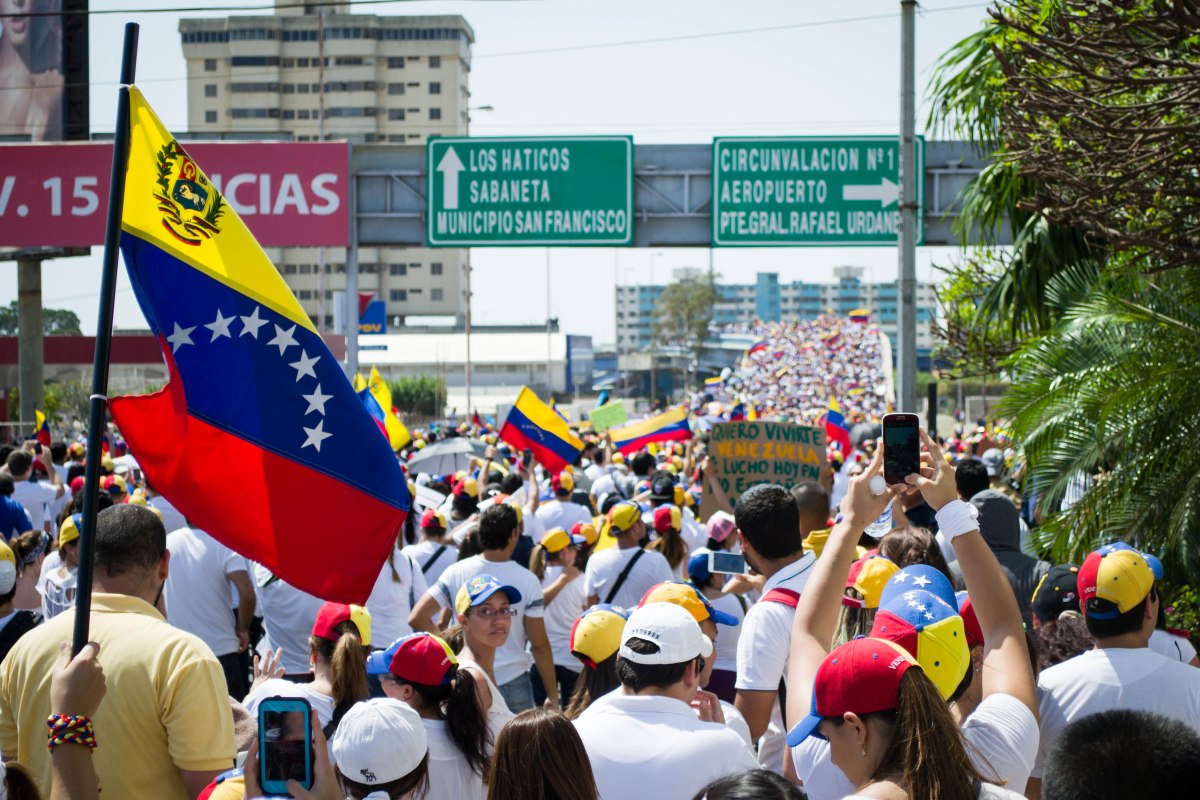
Begum Zorlu, a member of the Global Disorder research group, has published a new article on Nicolás Maduro’s dramatic capture by the United States, revealing the limits of Turkey’s foreign policy solidarity with Venezuela and, more broadly, about the constraints facing middle powers that rely on performative, values-based alliances. You can find the full article…

New Publication: Neuroticism and Political Ideology Across Generations
Francesco Rigoli, a member of the Global Disorder research group, has published a new article in the International Social Science Journal titled “Neuroticism Is Linked With Liberal Ideology in Young, but not Old, People in the United States.” The study explores why younger Americans tend to be more liberal than older generations. The study proposes…
Commentary: Reflection on María Corina Machado’s Nobel Peace Prize Win
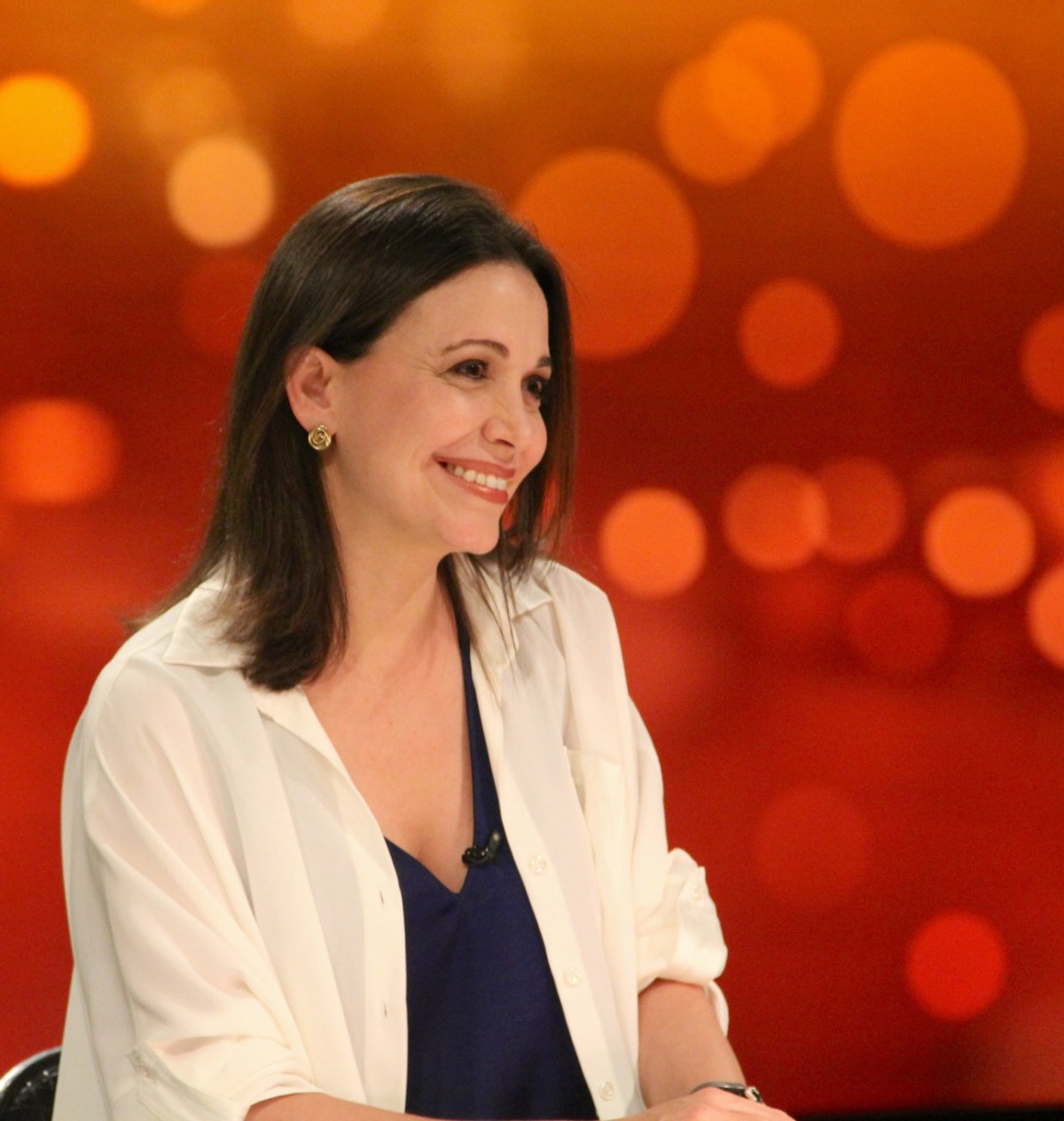
Begum Zorlu, a member of the Global Disorder research group, has published a new commentary on María Corina Machado’s Nobel Peace Prize for the Equality Justice Women Platform. She argues that along with her ability to mobilise the opposition, for more than twenty years Machado has contributed to the deep polarisation and lack of trust…
Mutual Trust: The Hard Path to Enduring Peace
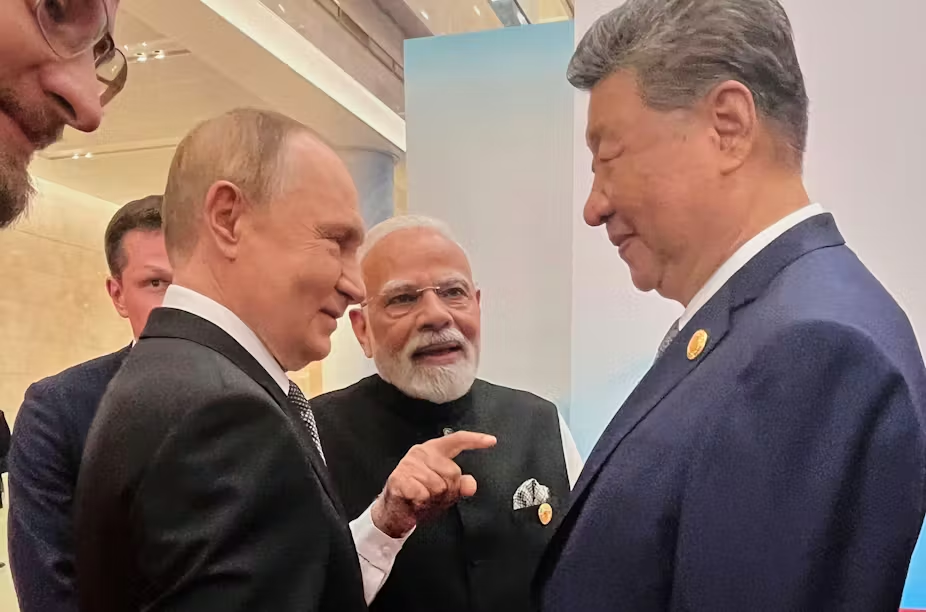
In his piece for the Conversation, Francesco Rigoli argues that the West’s framing of Vladimir Putin as an “untrustworthy monster” obstructs efforts toward peace in Ukraine. Russian president Vladimir Putin with China’s Xi Jinpijng and India’s Narendra Modi at the 2025 summit of the Shanghai Cooperation Organisation, September 1 2025. Indian Prime Minister’s Office via APFrancesco…
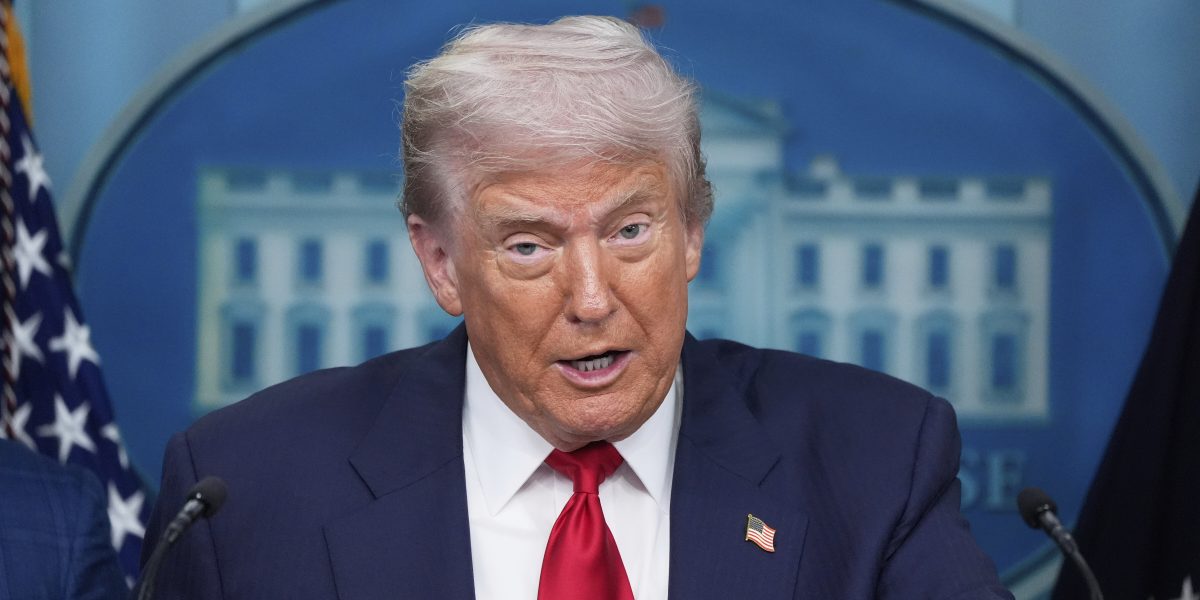
The Liberal International Order: From Wilsonian Internationalist Racism to Trump’s Anti-Globalist Racism
In his article for the Wire, Inderjeet Parmar argues that by framing globalisation as detrimental to American workers, Trump cynically exploits domestic workers’ discontent while preserving the core of U.S. elite power. US President Donald Trump speaks with reporters in the James Brady Press Briefing Room at the White House on Monday, Aug. 11, 2025,…

Academics from City, St George’s Share their Perspectives on the Strategic Defence Review
The latest Strategic Defence Review marks a significant moment in articulating the United Kingdom’s response to contemporary security challenges and in shaping its broader role within global security. In this forum, members of the Global Disorder Research Group offer critical, interdisciplinary reflections on the Review, examining its assumptions, priorities, and implications. The contributions engage with…

Analysis: Maduro consolidates hold on power as Venezuela’s opposition boycotts elections
Begum Zorlu, a member of the Global Disorder research group writes for The Conversation about the Venezuelan elections. Venezuela’s ruling party romped to victory in regional and legislative elections on May 25, winning over 82% of votes cast for the national assembly. The government-controlled national electoral council said candidates for the United Socialist Party of Venezuela (PSUV) won…
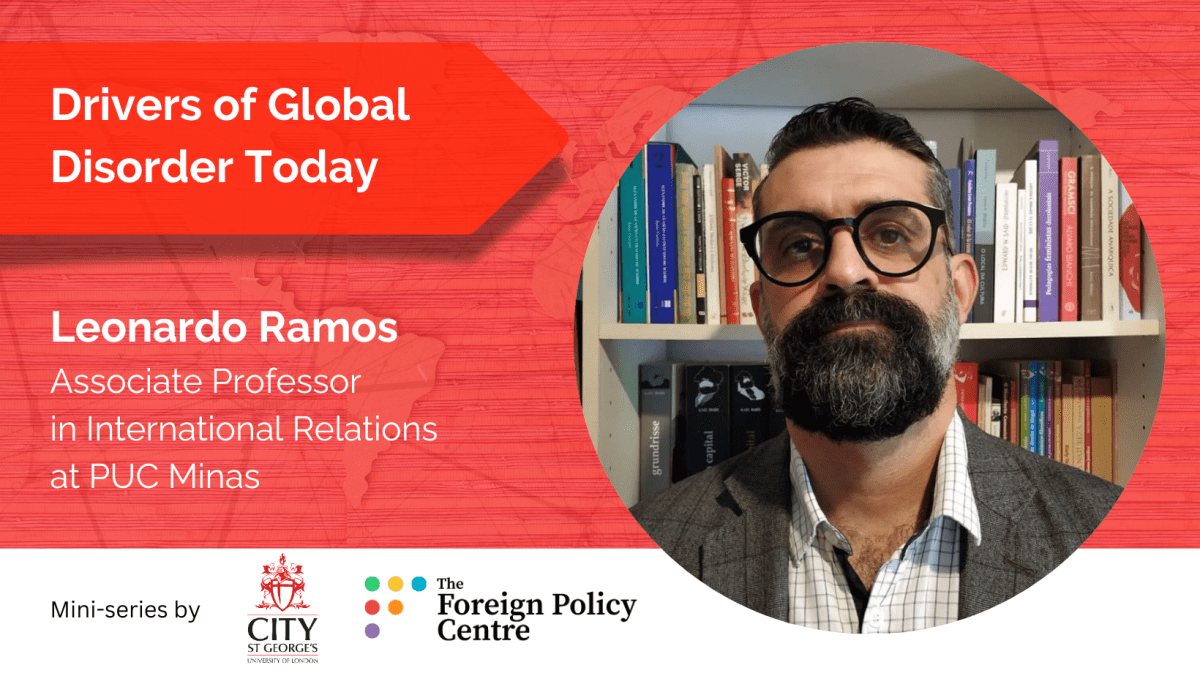
A new world (re)order: Expansion of the BRICS and rise of alternative multilateralism?
In his article in colloboration with the Foreign Policy Centre, Leonardo Ramos argues that the expansion of BRICS into BRICS+ is both a symptom and driver of global disorder, accelerating a shift toward a multicentric international system that challenges the Liberal International Order and may generate competing global orders. The recent expansion of the BRICS,…
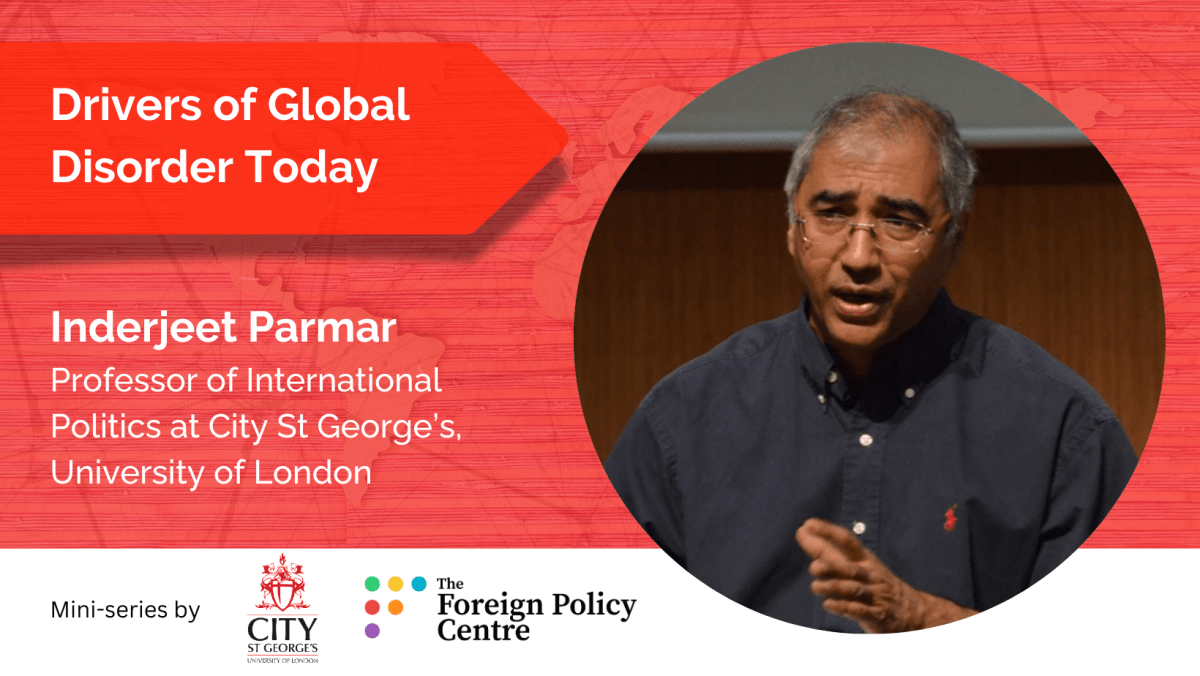
Trump’s ‘America First’: US predominance as a threat to the liberal international order
In this article, Professor Inderjeet Parmar examines the implications of Donald Trump’s re-election as President of the United States for global order and American foreign policy. Published on the website of the Foreign Policy Centre, the article argues that although Trump is often labelled unpredictable and anti-establishment, he is not an isolationist. Rather, he promotes…
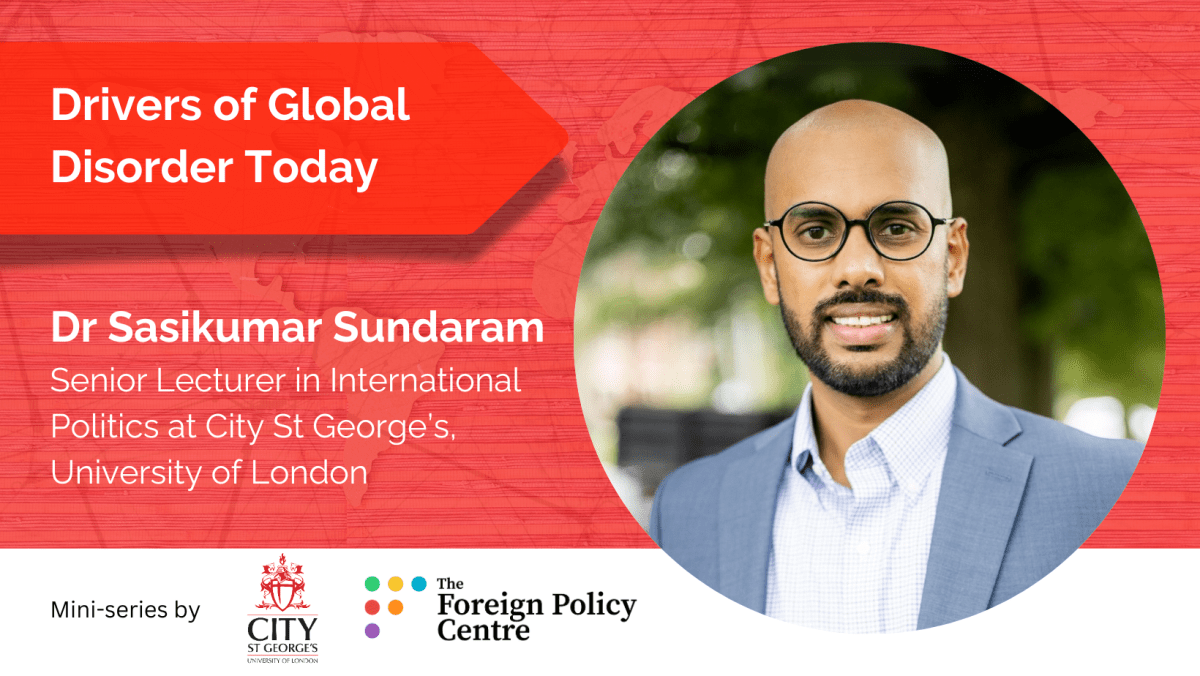
Artificial Intelligence: Driving and Thriving on Global Disorder?
In his post for the mini-series for the Foreign Policy Centre, Dr Sasikumar Sundaram argues that artificial intelligence (AI) is not only reshaping the world but doing so in ways that deepen global disorder, rather than reduce it. While earlier disruptive technologies were managed through multilateral frameworks (e.g. ITU, NPT), the AI revolution differs because…
Working Paper Focusing on BRICS Plus and the New Global Order
The Global Disorder Research Network has published a working paper, “Global Reordering and the Emergence of BRICS Plus,” authored by Leonardo Ramos and Javier Vadell. In their paper Ramos and Vadell explore how BRICS has evolved in a period of systemic turbulence marked by the erosion of US-led hegemony, the fragmentation of neoliberal multilateralism, and…
 Global (Dis)order